Type 1 Diabetes in Children: Early Symptoms and Modern Treatment Options
The number of new cases of type 1 diabetes in children is increasing by approximately 3% each year. Why is it so important to recognize the first symptoms early, and how can early diagnosis help prevent serious complications?
Excessive thirst, frequent urination, persistent fatigue, and unexplained weight loss are symptoms that should never be ignored. They may be among the first signs of type 1 diabetes.
“The number of new cases of type 1 diabetes in children continues to increase steadily. This makes early recognition of the disease particularly important, as it can help prevent serious complications,” warns Professor Dr. Clemens Kamrath, Head of Pediatric Endocrinology and Diabetology at the Center for Pediatrics and Adolescent Medicine at the Medical Center – University of Freiburg.
In children with a family history of type 1 diabetes, blood tests for diabetes-related autoantibodies can detect early stages of the disease years before symptoms appear. Close monitoring can help reduce the risk of severe complications, such as diabetic ketoacidosis, when symptoms develop.
Early detection is becoming increasingly important as new treatment options emerge. One promising new treatment is teplizumab, an immunotherapy that can delay the development of symptoms of type 1 diabetes in some patients. It works by calming the immune system’s attack on the insulin-producing cells in the pancreas. This makes early identification of children particularly important, as it may allow them to benefit from new treatment approaches before clinical symptoms develop.
When Should You Act Immediately?
Nausea, vomiting, rapid breathing, and a fruity or acetone-like smell on the breath may indicate diabetic ketoacidosis (DKA). This acute metabolic complication is often present when diabetes is first diagnosed. As it can lead to a life-threatening diabetic coma, children with these symptoms require immediate medical attention.
Technology Is Transforming Everyday Life
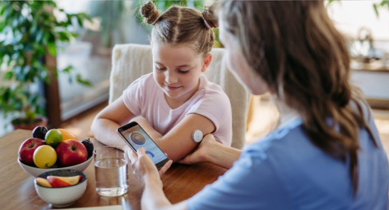
In today’s world, childhood diabetes can be successfully managed thanks to advances in medicine and the development of new technologies. They allow children with diabetes to lead largely normal lives. Insulin pumps and continuous glucose monitoring (CGM) systems help manage blood glucose levels. One of the latest developments, automated insulin delivery (AID), adjusts insulin delivery in real time based on glucose levels, helping improve diabetes management.
“These systems not only improve treatment but also significantly enhance children’s quality of life,” emphasizes Professor Kamrath.
The key message for parents: Recognize warning signs early and seek medical advice promptly. “With appropriate treatment and a healthy lifestyle, children with diabetes can grow up just as active and happy as their peers,” concludes Professor Kamrath.
Back