Immunotherapy: A New Game Changer in Oncology
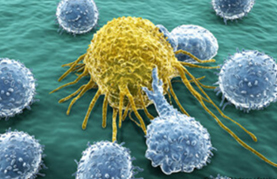
Why has immunotherapy become a breakthrough for aggressive forms of breast cancer and gynecological tumors — and who can truly benefit from it?
Alongside chemotherapy, hormone therapy, and targeted therapies, immunotherapy has firmly established itself in oncology — a method that does not attack the tumor directly, but helps the body do it itself.
How It Works
Normally, the immune system is able to recognize and destroy abnormal cells. However, a tumor is a cunning opponent. Some cancer cells can “hide” from the immune system by using special mechanisms that suppress the immune response. In everyday life, these mechanisms protect us from an excessive immune reaction, but in cancer they begin to work against the patient. Modern medications remove this suppression, essentially taking the “brakes” off the immune system. As a result, immune cells regain the ability to recognize and destroy the tumor.
Breakthrough in Triple-Negative Breast Cancer
Immunotherapy plays a particularly important role in triple-negative breast cancer, one of the most aggressive forms, where neither hormone therapy nor HER2-targeted treatments are effective.
It can be used before surgery to shrink the tumor or in advanced or metastatic disease. Studies show that combining immunotherapy with chemotherapy increases the chances of complete tumor disappearance, reduces the risk of recurrence, can stabilize the disease for a long period — and even extend life for patients with metastases. However, immunotherapy is not suitable for everyone: doctors evaluate tumor characteristics individually before starting treatment.
Uterine Cancer
The method works especially well in patients with so-called microsatellite instability (dMMR) — a specific genetic alteration of the tumor. In these cases, immunotherapy can provide a strong and lasting effect, even when other treatments have failed.
Ovarian Cancer
So far, immunotherapy alone shows limited results, but in combination with other treatments, it shows promising potential.
Cervical Cancer
In advanced or recurrent cases, treatment can slow disease progression and extend life.
Benefits and Risks
Immunotherapy is generally easier to tolerate than chemotherapy, but an activated immune system can attack healthy tissues. Side effects may include rashes, diarrhea, thyroid inflammation, and damage to the lungs, liver, or other organs — sometimes appearing months after treatment. Most side effects can be managed if detected early; sometimes a temporary pause or treatment with anti-inflammatory drugs is necessary. Rarely, serious complications can occur, so therapy is conducted under strict medical supervision.
Who Can Benefit from Immunotherapy?
Decisions depend on the type and stage of the tumor, its molecular characteristics, previous treatments, and the patient’s overall health. Each case is considered individually by a multidisciplinary team to determine the most effective and safe approach.
A New Era in the Fight Against Cancer
Immunotherapy is not a panacea, but it has already changed the way cancer is treated. For some patients with triple-negative breast cancer and certain gynecological tumors, it offers a real opportunity to control the disease and extend life. Oncology is increasingly moving toward personalized medicine, and immunotherapy has become a prominent symbol of this new era.
Back