Spontaneous Intracranial Hypotension (SIH)
Severe, persistent headaches can have a rare and often overlooked cause: a cerebrospinal fluid (CSF) leak.
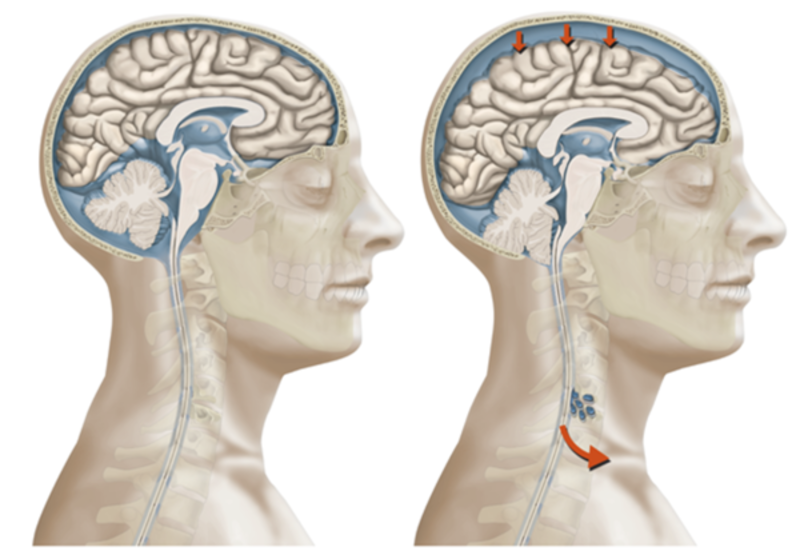
In spontaneous intracranial hypotension, cerebrospinal fluid can leak through a small defect in the dura along the spine. This disrupts normal pressure regulation between the spine and the head and may cause a range of symptoms and complications.
“Spontaneous” means that there is no direct trigger or cause, such as a bone fracture, sneazing, or accident.
“Intracranial Hypotension” describes low pressure inside the head caused by a loss of cerebrospinal fluid at the spine.
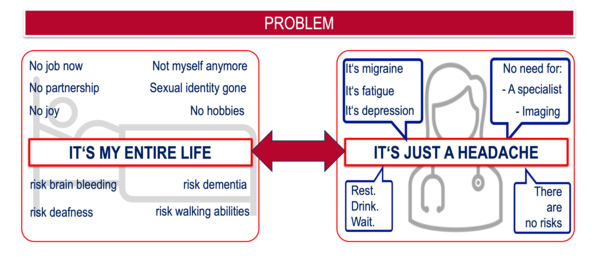
There are different types of spinal CSF leaks, but they all disturb the delicate fluid balance between the spine and the head. When a person stands up, this imbalance can cause a shift of fluid away from the head and trigger symptoms. Headache is the most common complaint, but SIH is often much more than “just a headache”.
If left untreated, spinal CSF leaks can become chronic and may lead to complications such as chronic subdural hematoma, sinus vein thrombosis, hearing damage, superficial siderosis, spinal cord herniation, and, in rare cases, even coma.
Current estimates suggest that SIH affects 4 to 5 people per 100,000 population each year. However, experts at the Freiburg CSF Center emphasize that many cases likely remain undiagnosed. As a result, patients are often either not diagnosed at all or are misdiagnosed and treated for migraine, fatigue, or somatization disorder.
What are the symptoms of SIH?
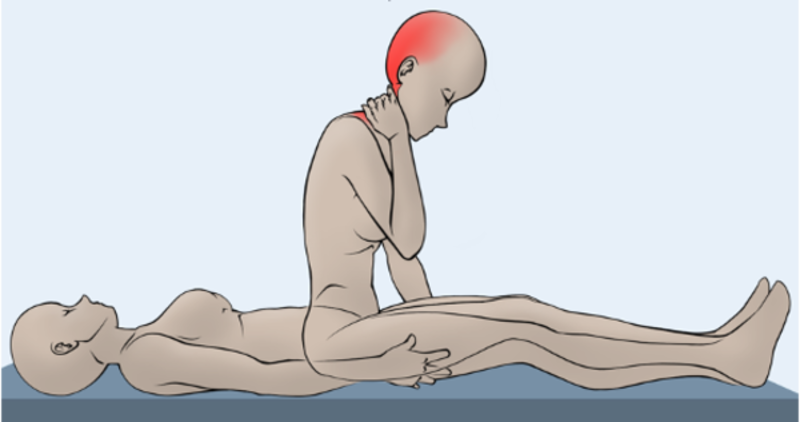
Most patients with SIH experience headaches, often located in the back of the head and neck. These headaches typically occur or worsen when standing upright. When lying down, the symptoms often improve significantly or disappear completely.
In addition, there are many different accompanying symptoms, including nausea, vomiting, dizziness, hearing and vision disturbances, sensory disturbances, sensitivity to noise and light, "brain fog", concentration difficulties, and many more. Symptoms often change over time and may not be equally severe every day.
Why expert evaluation is so important
SIH is not always recognized quickly. Patients are often first treated for migraine or other conditions, even though the pattern of headache and accompanying symptoms points to a spinal CSF leak. A precise diagnosis matters, because treatment depends on identifying the type and location of the leak.
At the Freiburg CSF Center, diagnosis and treatment are based on close collaboration between neurosurgery, neuroradiology, and other specialties. This interdisciplinary approach is especially important when symptoms have become chronic or previous treatments have not been successful.
How can SIH be detected?
The first diagnostic step is a MRI of the head and spine. You can find more information about diagnostic options here.
There is no need to measure opening pressure. In most SIH patients, opening pressure in supine position is normal.
MRI tells you the probability of a spinal CSF leak, not the leak site. Dynamic myelography is required to precisely localize the leak for targeted treatment. As this technique differs from standard myelographic procedures, it requires specific expertise and experience.
Can SIH be treated?
Yes. SIH is a treatable condition and should be evaluated and managed by experienced specialists. At the Freiburg CSF Center, interdisciplinary teams use advanced imaging techniques to diagnose spinal CSF leaks and provide targeted treatment, including epidural blood patches and highly precise minimally invasive surgery.
More information about treatment options can be found here.
We offer a specialized interdisciplinary second opinion for patients with suspected cerebrospinal fluid (CSF) leak.